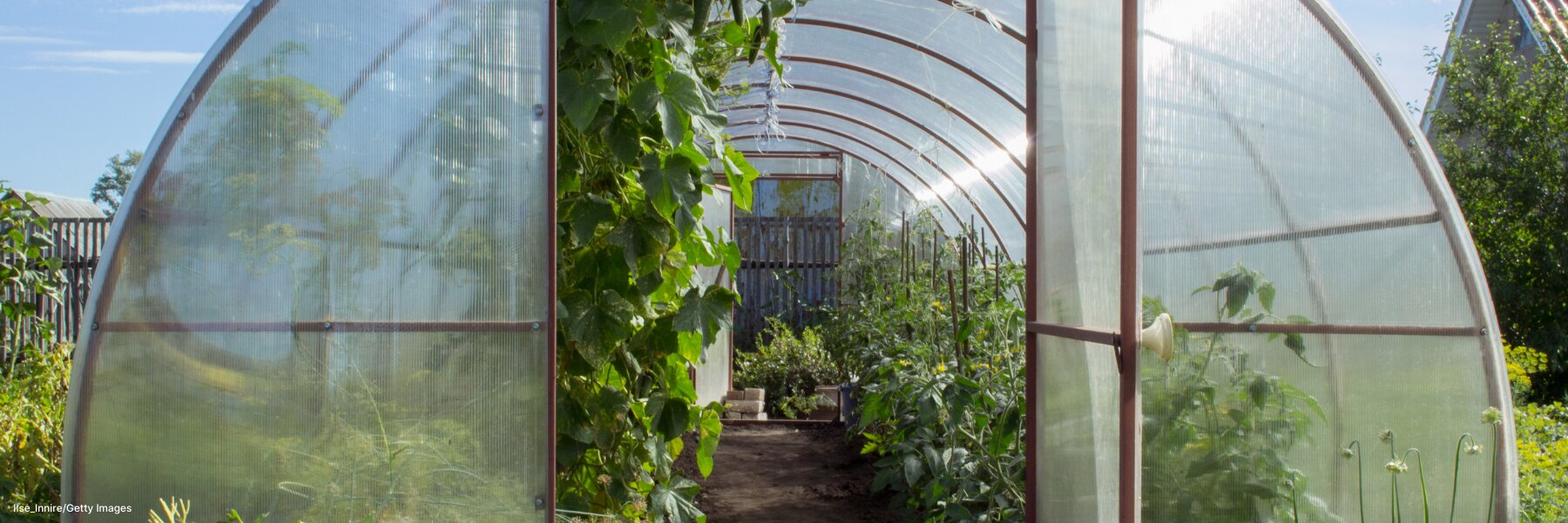
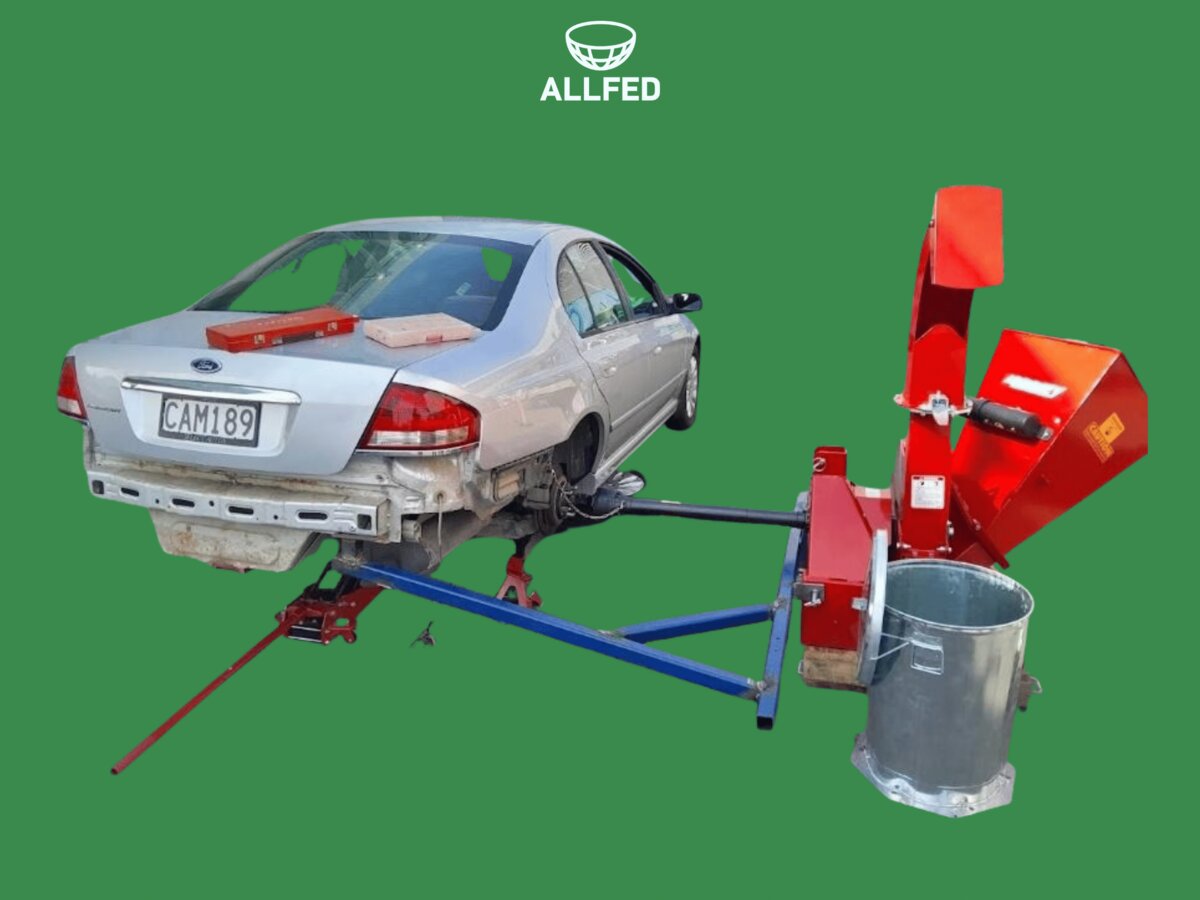
This pilot explores how modified light-duty vehicles can generate electricity from wood gas, providing decentralized power for critical services during catastrophic infrastructure loss. Using a 2004 Ford Falcon Fairmont, our team produced 20 kW of stable electricity and chipped four times as many wood chips as would be required to run the car.
We show that, with existing woodchippers, such systems could power critical services like water sanitation, meeting up to 4% of global electricity demand.
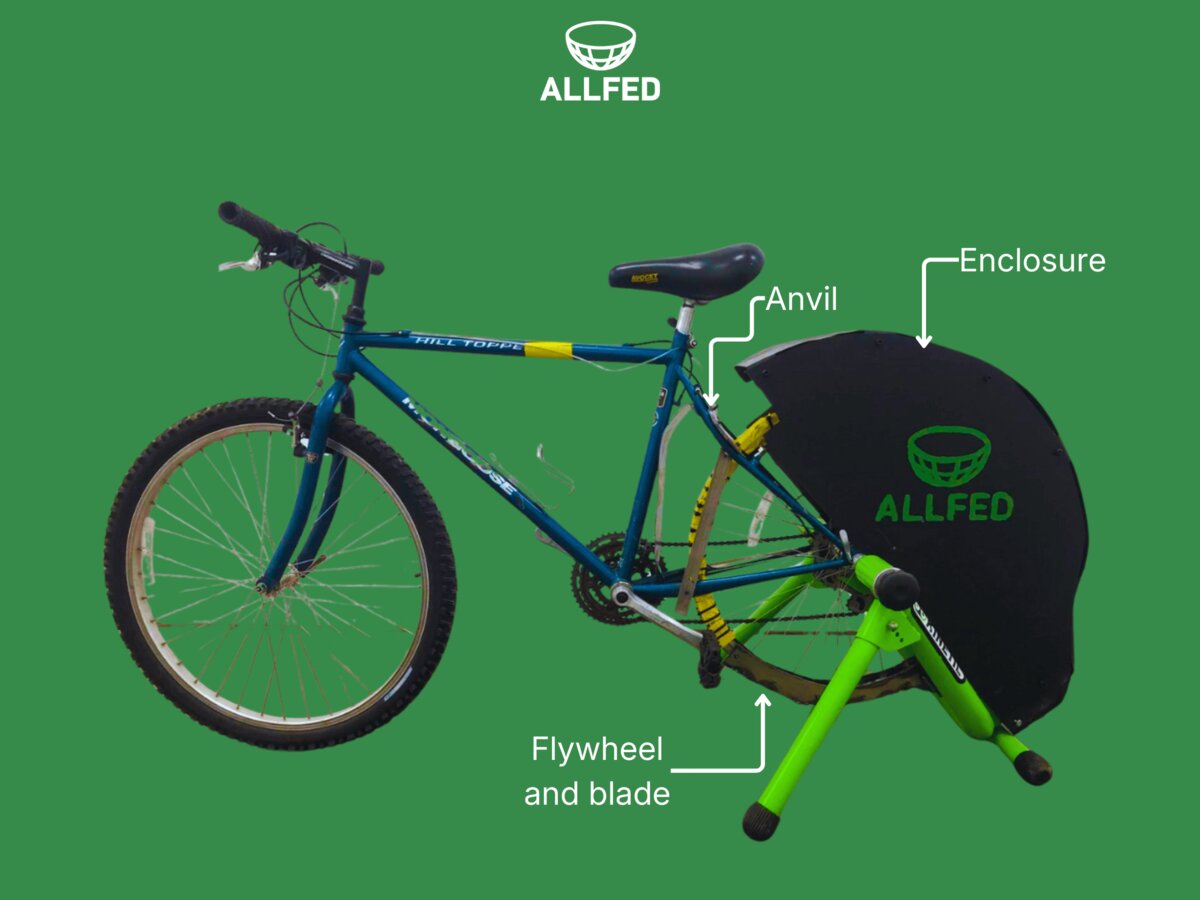
We developed a novel wood chipper that produces wood chips for wood gas, a resilient alternative fuel in scenarios of global catastrophic infrastructure loss. This prototype can produce a full cord of wood chips (3.6 m³) in less than a day, offering a faster, more efficient alternative to manual methods.
Mass-production of this accessible-designed wood chipper could accelerate energy production immediately following a catastrophic event. This could help meet critical energy needs and strengthen disaster preparedness.
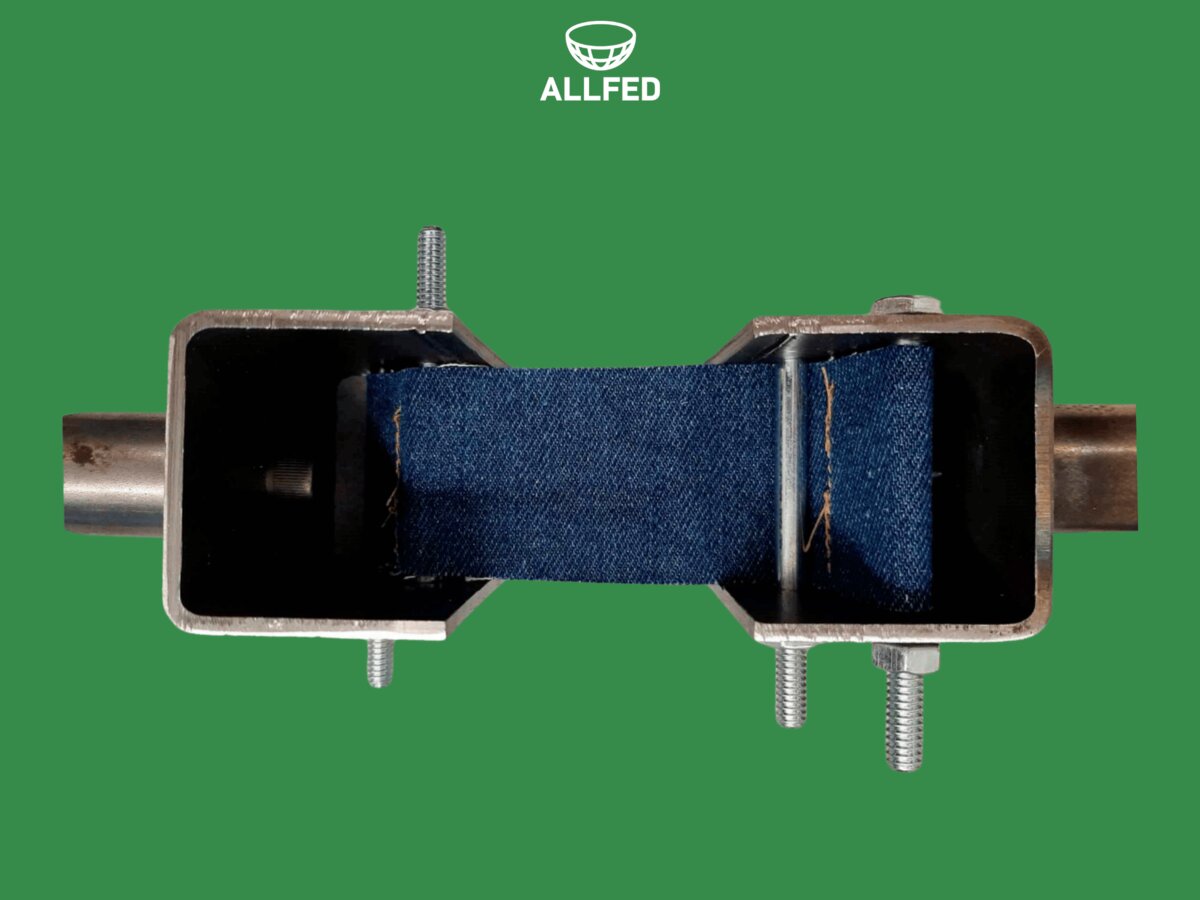
We designed an open-source, low-cost tensile testing jig, which is a simple testing frame, to evaluate alternative rope materials for seaweed farming, particularly in emergencies like abrupt sunlight reduction scenarios (ASRS). Built from readily available parts for just CAD 20, the apparatus is hundreds to thousands of times cheaper than commercial solutions.
Testing showed denim ropes were strong enough for harvesting, providing a practical and affordable way to support resilient seaweed farming in low-resource settings during a catastrophe.
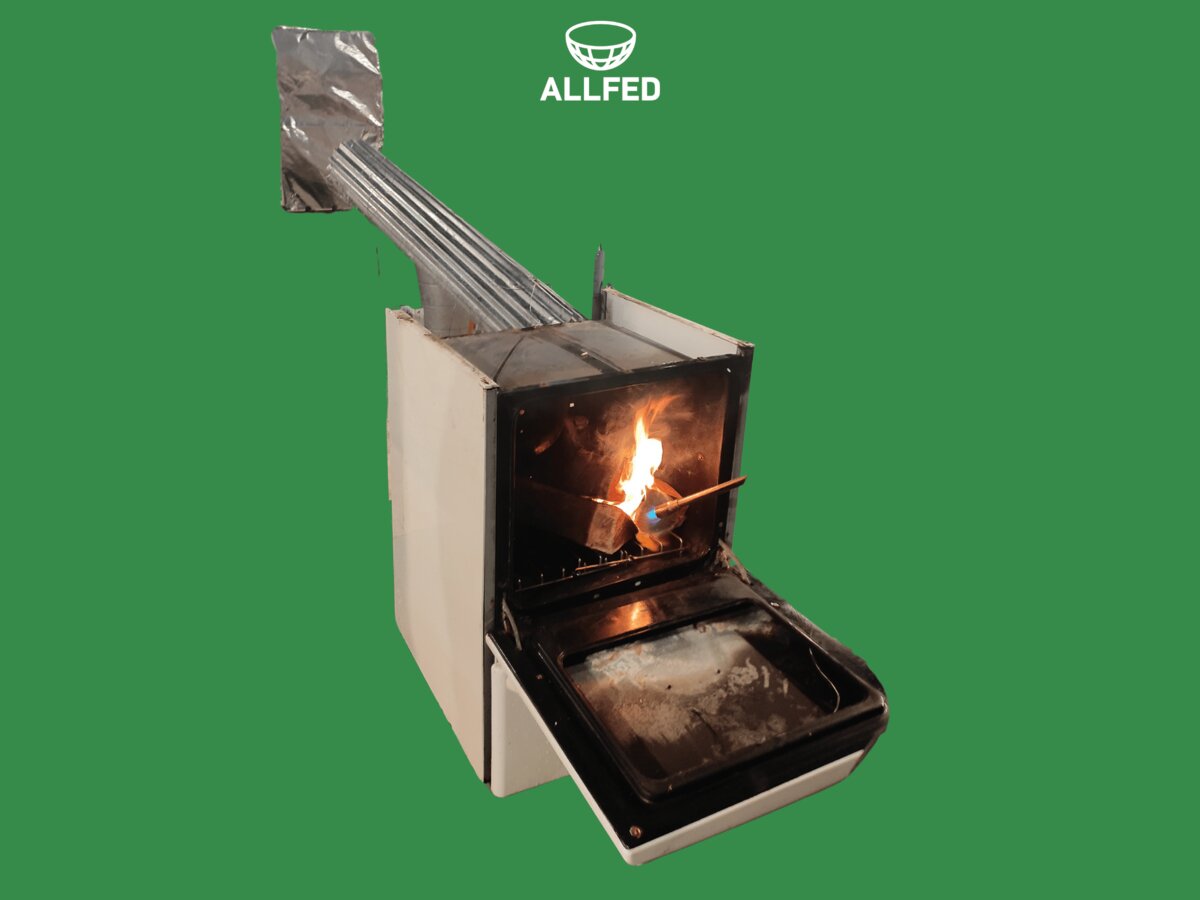
This pilot explores how household ovens can be successfully converted to wood-burning stoves for space heating, offering a lifeline in the event of a collapse in global infrastructure to billions living in cold climates.
A standard electric oven was successfully modified, delivering 2.6 kW of heat using readily available materials and tools. Where resources allow, similar conversions could be rapidly scaled, offering a practical, low-tech way to support basic heating needs in cold climates following a global catastrophe, when conventional energy supplies are unavailable.
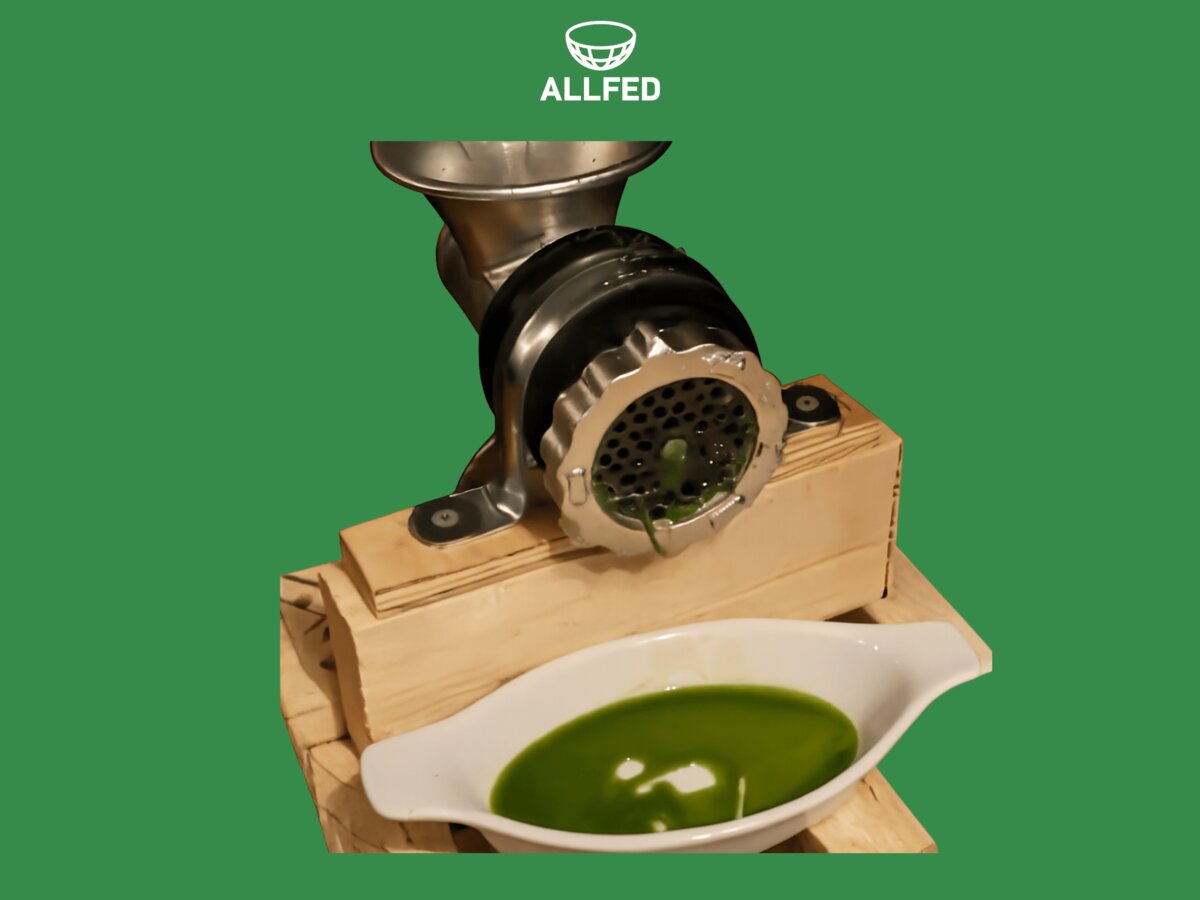
This pilot evaluates whether common agricultural residues, which are the parts of crops often left unused, could be converted into leaf-based protein fit for human consumption, referred to as Leaf Protein Concentrate (LPC).
Using advanced laboratory techniques to detect even very small amounts of harmful substances, our researchers screened nine widely available plant residues for potential toxins. Our findings suggest LPC could become a nutrient-dense, resilient food source valuable during global food shocks.
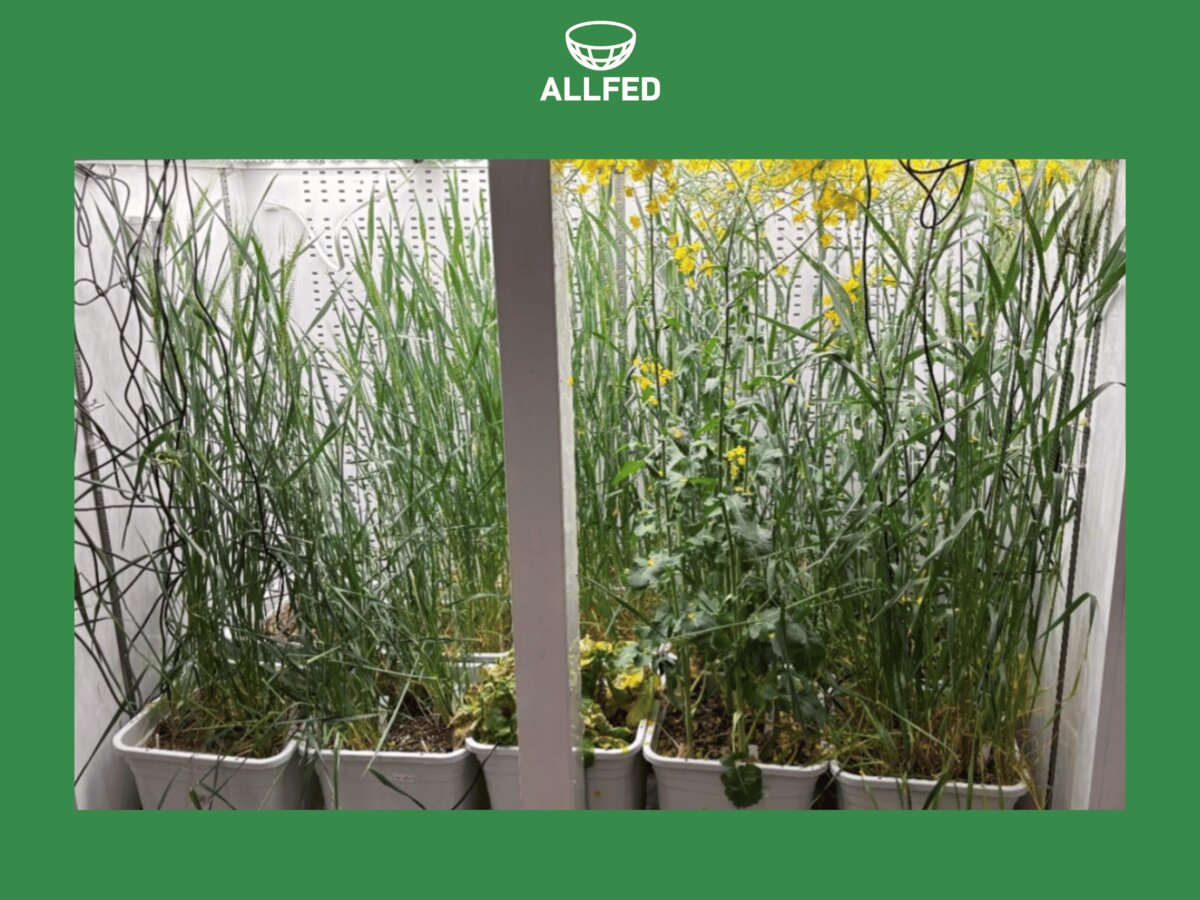
In collaboration with Penn State University, we completed the first growth chamber experiment testing how staple crops perform under simulated nuclear winter conditions. The study examined wheat, canola, and potato under extreme low-light and low-temperature conditions modeled on severe nuclear winter scenarios.
The results suggest that some crops may remain viable in tropical conditions, while temperate wheat may be more vulnerable than current models assume. In the temperate simulation, wheat stems collapsed under their own weight, highlighting the need for further empirical crop testing.
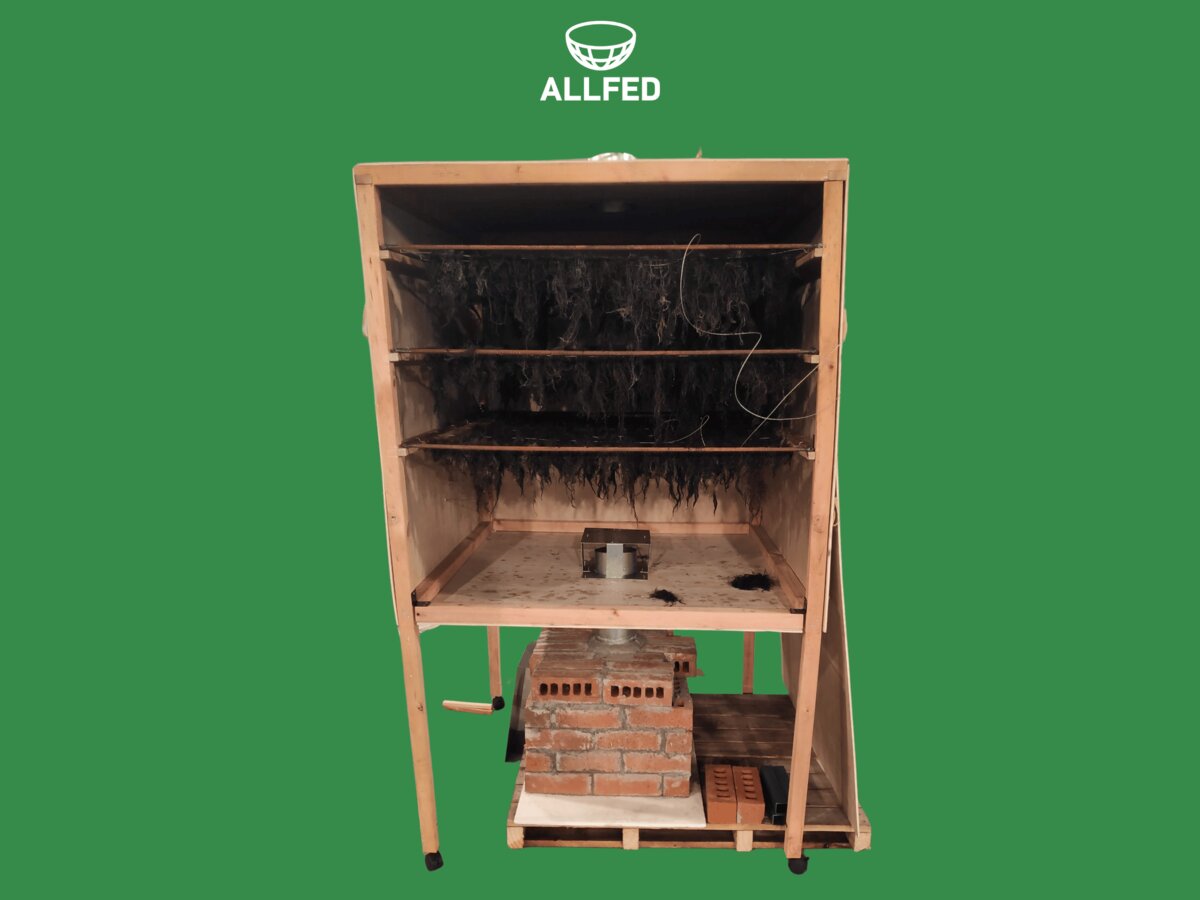
This pilot developed a low-tech, scalable method for drying seaweed, a resilient food source identified as promising under nuclear winter scenarios. Temperature and airflow were found to be the main drivers of drying efficiency, and the team built a prototype dryer to test these findings.
The research produced practical design guidance and principles for future production, and enabled a global-scale cost analysis.